Precision Over Guesswork: How Biomarker Testing Is Revolutionizing Personalized ED Treatment

For decades, the clinical approach to erectile dysfunction followed a relatively straightforward script: a man reports difficulty achieving or maintaining an erection, a physician prescribes a phosphodiesterase type 5 (PDE5) inhibitor, and the patient waits to see if it works. If it does not, adjustments are made—sometimes over months of trial and error. This model, while not without merit, treats ED as a uniform condition rather than the physiologically complex, highly individualized disorder that modern science increasingly recognizes it to be.
Today, a growing number of urologists and men's health specialists across the United States are moving toward a fundamentally different paradigm—one grounded in biomarker-driven diagnostics and precision medicine. The implications for treatment selection, medication efficacy, and long-term outcomes are substantial.
Why One-Size-Fits-All Prescribing Falls Short
Erectile dysfunction is not a single disease. It is a symptom—one that can arise from vascular insufficiency, hormonal dysregulation, neurological impairment, psychological factors, or some combination thereof. Prescribing the same first-line therapy to a man whose ED stems from endothelial dysfunction as to one whose condition is rooted in low testosterone or autonomic nerve damage is, at best, imprecise. At worst, it delays effective treatment and erodes patient confidence.
Statistics reflect this reality. Studies suggest that approximately 30 to 35 percent of men do not respond adequately to their initial PDE5 inhibitor prescription. A significant portion of those non-responders may not have been properly evaluated for underlying causes before the prescription was written. Biomarker testing is emerging as the diagnostic bridge that closes this gap.
The Key Biomarkers Shaping Modern ED Diagnosis
Cardiovascular and Endothelial Markers
The penile vasculature is, in many respects, a sensitive early-warning system for broader cardiovascular health. Reduced blood flow to erectile tissue frequently mirrors similar impairments elsewhere in the body. For this reason, markers such as high-sensitivity C-reactive protein (hs-CRP), homocysteine levels, and lipid panel components—particularly HDL cholesterol and triglycerides—are now being incorporated into comprehensive ED evaluations.
Endothelial function testing, including flow-mediated dilation (FMD) assessments, provides a more direct measurement of how well blood vessels dilate in response to increased blood flow. Men with compromised endothelial function may respond differently to PDE5 inhibitors than those with intact vascular architecture, and this distinction can meaningfully inform prescribing decisions.
Hormonal Panels
Testosterone deficiency is among the most commonly overlooked contributors to ED in American men, particularly those over 45. A comprehensive hormonal workup extends well beyond a simple total testosterone reading. Free testosterone, sex hormone-binding globulin (SHBG), luteinizing hormone (LH), follicle-stimulating hormone (FSH), estradiol, prolactin, and thyroid function markers all contribute to a fuller picture of hormonal health.
Elevated prolactin levels, for instance, can suppress testosterone production and impair libido in ways that no PDE5 inhibitor will adequately address. Similarly, men with secondary hypogonadism—where the problem originates in the pituitary rather than the testes—may require entirely different therapeutic interventions. Identifying these distinctions before initiating treatment prevents months of ineffective therapy.
Metabolic Markers
Insulin resistance and type 2 diabetes are among the most significant risk factors for ED, and their relationship with treatment response is well-documented. Fasting glucose, hemoglobin A1c (HbA1c), and fasting insulin levels help clinicians assess the degree to which metabolic dysfunction may be contributing to erectile impairment. Men with poorly controlled blood sugar often experience reduced responsiveness to standard pharmacological treatments until glycemic control is improved.
Vascular Function Assessments
Beyond blood panels, penile Doppler ultrasound remains one of the most informative diagnostic tools available. By measuring arterial blood flow velocity within the penile vasculature before and after pharmacological stimulation, this assessment can differentiate between arteriogenic ED—caused by insufficient arterial inflow—and venogenic ED, which involves inadequate venous occlusion. This distinction is clinically significant: arteriogenic ED may respond well to PDE5 inhibitors, while venogenic ED may require alternative approaches, including low-intensity shockwave therapy or surgical consultation.
How Biomarker Profiles Predict Medication Response
The emerging field of pharmacogenomics adds another layer of personalization. Genetic variants affecting CYP3A4 enzyme activity—the primary metabolic pathway for most PDE5 inhibitors—can influence how quickly a medication is processed in the body, affecting both efficacy and the likelihood of side effects. While routine pharmacogenomic testing for ED is not yet standard practice in most US clinical settings, early research suggests it may one day help determine optimal dosing and drug selection with greater accuracy.
Some research also indicates that baseline nitric oxide bioavailability—measurable through plasma nitrite and nitrate levels—predicts how robustly a patient's vascular system will respond to PDE5 inhibition. Since these medications work by amplifying the nitric oxide signaling pathway, men with severely depleted nitric oxide production may see limited benefit from even optimal dosing.
Advocating for Comprehensive Evaluation
For most American men, navigating the healthcare system requires active participation. ED appointments are often brief, and the path of least resistance for both patient and provider can be a quick prescription without deeper investigation. Men who want a more thorough diagnostic approach have every right—and good reason—to ask for it.
When meeting with a primary care physician or urologist, consider requesting the following:
- A complete hormonal panel, including free and total testosterone, SHBG, LH, FSH, estradiol, prolactin, and thyroid function
- Metabolic and cardiovascular bloodwork, including fasting glucose, HbA1c, lipid panel, and hs-CRP
- A penile Doppler ultrasound if initial treatments have not produced satisfactory results
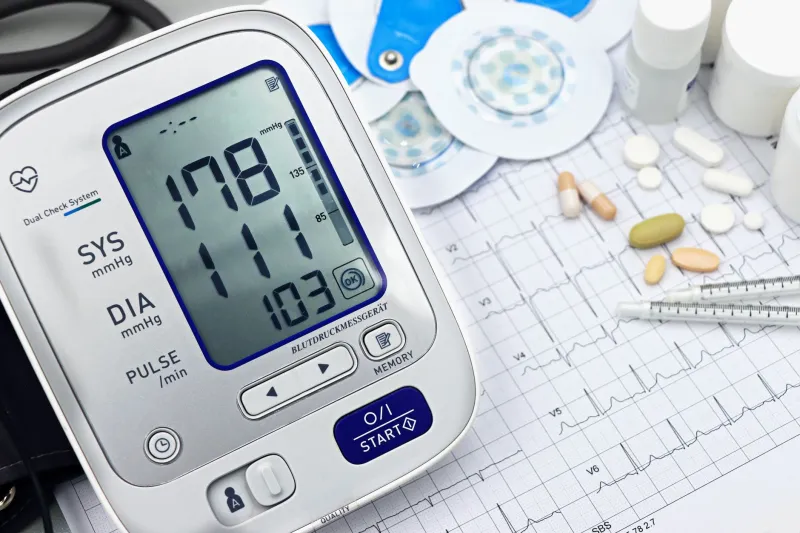
- Blood pressure assessment and, where appropriate, referral to a cardiologist if vascular disease is suspected
Framing this request around the desire to understand the root cause—rather than simply manage the symptom—is often well-received by clinicians who practice evidence-based medicine.
The Broader Picture: ED as a Window Into Systemic Health
One of the most compelling arguments for biomarker-driven ED evaluation is that the findings rarely stop at erectile function. Diagnosing subclinical cardiovascular disease, undetected hypogonadism, or early-stage insulin resistance in the context of an ED workup can have life-altering implications that extend well beyond the bedroom. In this sense, a thorough diagnostic evaluation is not merely a pathway to better treatment selection—it is an investment in comprehensive male health.
The shift toward precision medicine in ED care reflects a broader evolution in how American healthcare is approaching chronic and lifestyle-related conditions. As diagnostic tools become more accessible and the evidence base for biomarker-guided prescribing continues to grow, men who engage proactively with this process stand to benefit considerably.
The days of defaulting to a single standard prescription without context are not entirely behind us—but they are numbered. For men willing to ask the right questions and seek out clinicians who share this diagnostic philosophy, a more effective and personalized path to treatment is increasingly within reach.