Fit, Active, and Struggling in the Bedroom: The Surprising ED Reality for High-Performance Men Over 40
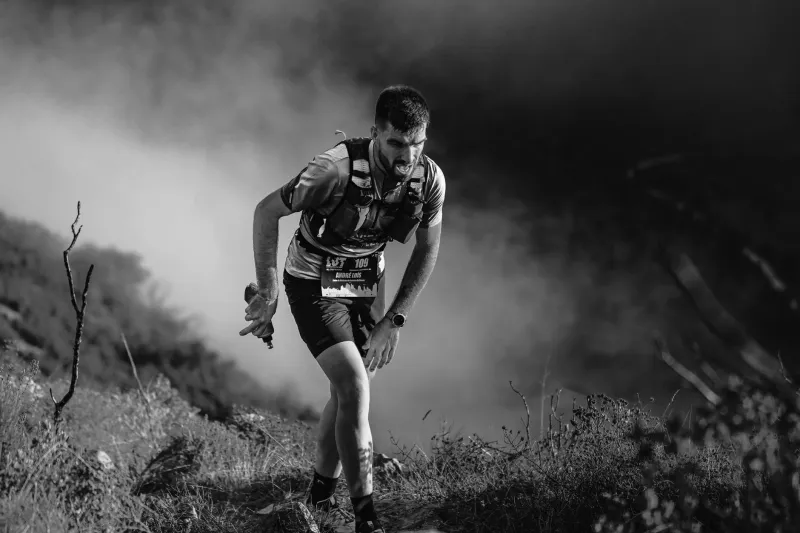
For decades, the prevailing assumption has been straightforward: stay in shape, and your body will reward you. Men who run marathons, cycle competitively, lift weights five days a week, and track every macronutrient have long believed that fitness is a shield against the conditions that affect sedentary peers. Erectile dysfunction, in the popular imagination, belongs to men who are overweight, inactive, or neglectful of their health.
That assumption is being quietly dismantled in physicians' offices across the United States.
A growing number of urologists, cardiologists, and men's health specialists are documenting a counterintuitive trend: high-performing, physically active men in their 40s and 50s are presenting with erectile dysfunction at rates that challenge conventional wisdom. These are not men who ignored their health. These are men who, in many cases, prioritized it obsessively—and still found themselves facing a diagnosis they never anticipated.
Understanding why this happens, and what can be done about it, requires looking well beyond the gym.
When the Body Turns Against Itself: The Overtraining Factor
Intense, sustained physical training places extraordinary demands on the human body. At moderate levels, exercise strengthens cardiovascular function, improves insulin sensitivity, and supports healthy testosterone production—all of which contribute to erectile health. However, when training volume and intensity chronically exceed the body's capacity for recovery, the physiological benefits begin to reverse.
Overtraining syndrome is a well-documented clinical condition characterized by persistent fatigue, hormonal dysregulation, and suppressed immune function. One of its less-discussed consequences is a measurable decline in testosterone levels. Prolonged high-intensity endurance training, in particular, has been associated with elevated cortisol—the body's primary stress hormone—which directly suppresses the hypothalamic-pituitary-gonadal axis responsible for testosterone production.
For competitive cyclists, distance runners, and triathletes, this hormonal disruption can be significant enough to produce symptoms of hypogonadism, including reduced libido and erectile difficulties. The irony is stark: the very discipline that defines these men's identities may be contributing to their sexual health challenges.
Cardiovascular Stress and the Vascular Connection
Erectile function is, at its physiological core, a vascular event. An erection depends on healthy blood flow into the penile tissue, which in turn depends on the integrity of the endothelium—the thin layer of cells lining blood vessels throughout the body.
Even in men with strong cardiovascular fitness by conventional measures, subclinical vascular dysfunction can develop. High-intensity training places repetitive mechanical stress on arterial walls. Competitive athletes who have trained for decades may develop arterial stiffness or early atherosclerotic changes that do not yet manifest as chest pain or elevated blood pressure but are nonetheless impairing the microvascular responses required for erections.
Physicians increasingly regard erectile dysfunction as an early warning signal for cardiovascular disease—sometimes appearing years before a cardiac event. For the active man who assumes his fitness protects him from heart-related concerns, an ED diagnosis can be the first indication that a more thorough cardiovascular evaluation is warranted.
Undiagnosed Metabolic Conditions in Lean, Active Men
Not all metabolic dysfunction is visible. A man can maintain a lean physique, pass a routine physical with unremarkable numbers, and still harbor metabolic imbalances that impair sexual health.
Conditions such as insulin resistance, subclinical hypothyroidism, and low-grade chronic inflammation can exist beneath the surface in men who appear outwardly healthy. In active men who consume high-carbohydrate fueling strategies common in endurance sports, insulin dynamics can become dysregulated in ways that standard fasting glucose tests fail to detect. Similarly, thyroid function abnormalities—which are associated with both erectile and libido difficulties—are frequently overlooked in men who do not present with classic symptoms such as weight gain or fatigue.
Comprehensive metabolic and hormonal panels, including free and total testosterone, sex hormone-binding globulin, thyroid-stimulating hormone, and fasting insulin, provide a far more complete picture than the standard annual bloodwork most American men receive.
The Performance Pressure Dimension
The psychological profile of a high-achieving, competitive man introduces another layer of complexity. Men who are accustomed to optimizing performance in every domain of their lives often bring that same evaluative mindset into the bedroom—and the consequences can be counterproductive.
Performance anxiety is a clinically recognized contributor to erectile dysfunction, and it tends to be particularly pronounced in men with perfectionist tendencies. A single episode of erectile difficulty, perhaps triggered by fatigue after a demanding training block, can initiate a cycle of anticipatory anxiety that perpetuates the problem. The man who has never experienced failure in a physical challenge suddenly encounters one in a context where he feels unable to train his way out of it.
This psychological dimension does not diminish the legitimacy of the diagnosis. It underscores the need for treatment approaches that address both the physiological and psychological components simultaneously.
Evidence-Based Treatment Strategies for the Active Man
For health-conscious men in this demographic, treatment strategies should be as carefully calibrated as their training plans.
Pharmacological intervention with FDA-approved phosphodiesterase type 5 (PDE5) inhibitors—including tadalafil (Cialis), sildenafil (Viagra), vardenafil (Levitra), and avanafil (Stendra)—remains the most well-evidenced first-line treatment for erectile dysfunction across all etiologies. These medications work by enhancing the vascular response to sexual stimulation and are generally well-tolerated in physically active men. Daily low-dose tadalafil, in particular, may be a practical option for men whose sexual activity does not follow a predictable schedule.
Hormonal optimization, when testing reveals clinically low testosterone, may be addressed through testosterone replacement therapy under physician supervision. It is worth noting that testosterone therapy can suppress sperm production, which is a relevant consideration for men who have not yet completed their families.
Training modification is often a necessary and difficult conversation. Working with a sports medicine physician or a certified strength and conditioning specialist to reduce overtraining load—particularly in the weeks surrounding periods of sexual health concern—can allow hormonal axes to recover.
Comprehensive cardiovascular screening is appropriate for any active man over 40 presenting with ED, given the established relationship between erectile dysfunction and subclinical cardiovascular disease. This may include advanced lipid panels, coronary artery calcium scoring, and endothelial function testing.
Psychological support, including cognitive behavioral therapy or sex therapy with a licensed therapist, can be particularly effective for men whose ED is compounded by performance anxiety. This is not a sign of weakness; it is a recognition that the mind and body operate as an integrated system.
Reframing What Fitness Can and Cannot Do
Physical fitness is genuinely protective against a wide range of chronic diseases, and regular exercise remains one of the most powerful tools available for long-term health. None of the evidence regarding overtraining or vascular stress should be interpreted as an argument against staying active.
What the emerging data does suggest is that fitness is not a comprehensive guarantee. The physiology of aging does not grant exceptions for men who have earned them through discipline. Hormonal changes, vascular dynamics, and metabolic shifts occur on their own timelines, and no training program fully overrides them.
For the high-performance man who finds himself confronting an ED diagnosis, the most productive response is neither denial nor despair. It is the same response that has served him well in every other domain: gather accurate information, consult qualified professionals, and pursue an evidence-based plan with consistency.
The body that carried him through decades of athletic achievement is still capable of responding to the right intervention. It simply requires a different kind of training now.
This article is intended for informational purposes only and does not constitute medical advice. Men experiencing symptoms of erectile dysfunction are encouraged to consult a licensed healthcare provider for individualized evaluation and treatment recommendations.