From Waiting Room to Living Room: How Telehealth Is Reshaping ED Care Across America

For decades, seeking treatment for erectile dysfunction meant scheduling an appointment, sitting in a waiting room, and discussing a deeply personal health concern face-to-face with a physician. For many American men, that process alone was enough to delay — or entirely prevent — getting the help they needed. The emergence of telemedicine has quietly dismantled many of those obstacles, and the impact on ED care has been substantial.
According to data from the American Telemedicine Association, virtual healthcare visits surged dramatically during the COVID-19 pandemic and have remained elevated ever since. Within that broader shift, men's health platforms specializing in sexual wellness have become one of the fastest-growing segments of the digital health market. Understanding why — and what it means for men considering treatment — is worth examining carefully.
The Core Appeal: Privacy, Convenience, and Reduced Friction
The most frequently cited reason men turn to telehealth for ED care is straightforward: privacy. Discussing erectile dysfunction carries a degree of social sensitivity that many other health conditions do not. The prospect of encountering a neighbor in a urology waiting room, or having a receptionist at a primary care office process a sensitive referral, is enough to discourage a meaningful number of men from pursuing treatment at all.
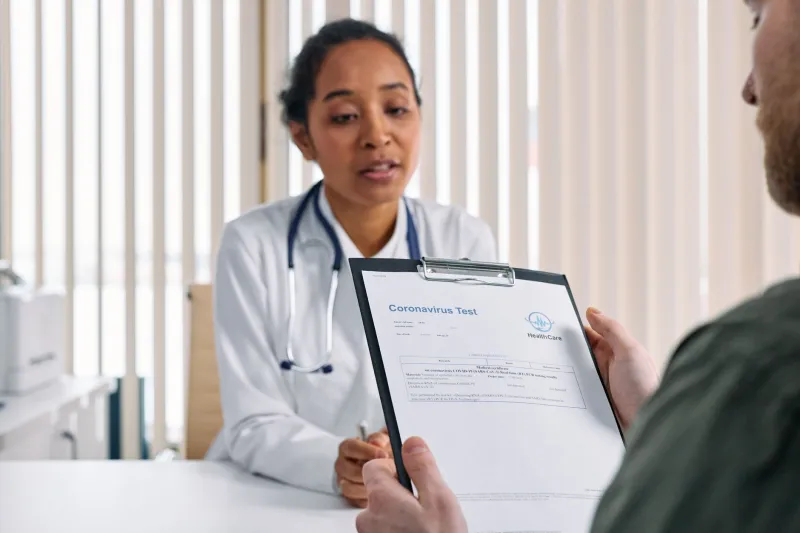
Virtual consultations eliminate that particular friction almost entirely. A man can complete a medical intake form, conduct a video or asynchronous text-based consultation with a licensed provider, and receive a prescription — all from his home, on his schedule. For men in rural communities, where specialist access may be genuinely limited, telehealth also addresses a practical geographic barrier that has historically left many without adequate care options.
Convenience compounds the privacy benefit. Traditional appointments require coordinating schedules, arranging transportation, and accounting for wait times. A telemedicine consultation for ED can often be completed in under thirty minutes, with prescription fulfillment handled through a mail-order pharmacy that delivers discreetly to a home address.
How Virtual ED Consultations Actually Work
The mechanics of a telehealth ED consultation vary somewhat depending on the platform, but most follow a broadly similar structure. The process typically begins with a detailed health questionnaire covering medical history, current medications, cardiovascular health indicators, and the nature and duration of the patient's erectile difficulties.
Depending on the platform and the complexity of the case, the consultation may then proceed as a synchronous video call with a licensed physician or nurse practitioner, or it may be handled asynchronously — meaning the provider reviews the submitted information and responds with a clinical assessment and, if appropriate, a prescription recommendation without a real-time video interaction.
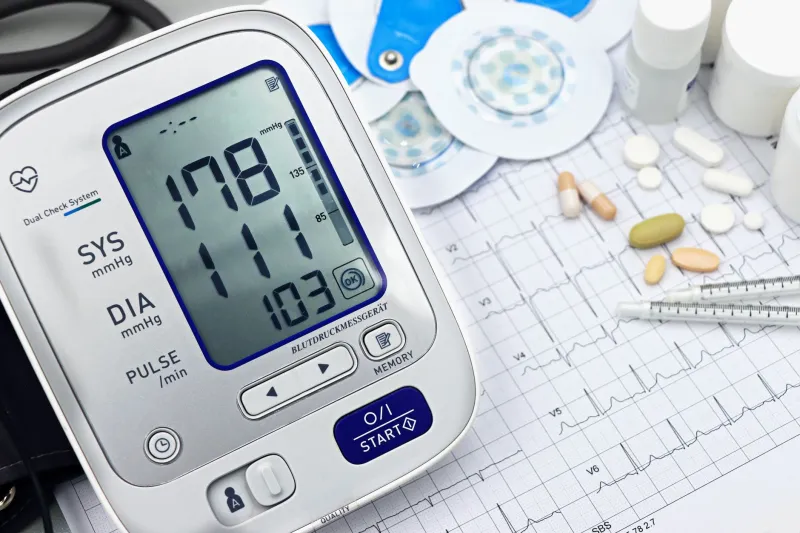
It is worth noting that not every man is an appropriate candidate for an asynchronous consultation. Men with complex cardiovascular histories, those taking medications with known interaction risks — particularly nitrates — or those whose symptoms may suggest an underlying condition requiring physical examination will generally be better served by an in-person evaluation. Reputable telehealth platforms will flag these scenarios and refer patients to in-person care when clinically appropriate.
Where Telemedicine Falls Short: Recognizing the Limitations
Telehealth for ED is genuinely valuable, but it is not without meaningful limitations that men should understand before relying on it exclusively.
Physical examination remains a component of comprehensive ED evaluation that virtual care cannot replicate. A urologist conducting an in-person assessment can evaluate penile anatomy, assess for Peyronie's disease, and perform or order diagnostic tests — including hormone panels, fasting glucose, and lipid profiles — that may reveal underlying contributors to erectile dysfunction. While many telehealth platforms can order laboratory work through affiliated diagnostic services, the coordination is less seamless than it would be within an integrated in-person care setting.
Additionally, the quality of telehealth providers varies considerably across platforms. The proliferation of direct-to-consumer men's health companies has introduced providers of varying clinical rigor into the marketplace. Men should look for platforms that employ board-certified physicians, maintain transparent prescribing standards, and do not offer prescriptions without a substantive clinical intake process. A platform that issues a prescription for a PDE5 inhibitor after a three-question questionnaire is not providing genuine medical care — it is a pharmacy workaround that carries real safety implications.
Prescription Fulfillment Through Online Channels
For men who receive a prescription through a telehealth consultation, fulfillment typically occurs through one of two channels: a mail-order pharmacy affiliated with the telehealth platform, or an independent online pharmacy to which the provider sends the prescription electronically.
Mail-order fulfillment through affiliated pharmacies is generally straightforward, though pricing can vary significantly. Some platforms bundle the consultation fee with medication costs in a subscription model; others charge separately. Men should compare the total cost of care — consultation plus medication — against what they might pay through a traditional provider and a local or national retail pharmacy before committing to a particular platform.
For those using independent online pharmacies, it is essential to verify that the pharmacy is licensed and accredited. The National Association of Boards of Pharmacy (NABP) maintains a verified internet pharmacy database that allows consumers to confirm a pharmacy's legitimacy. Purchasing ED medication from unverified online sources carries serious risks, including counterfeit products, incorrect dosing, and the absence of pharmacist oversight.
Tips for Getting the Most From a Virtual ED Consultation
Approaching a telehealth appointment with the same preparation one would bring to an in-person visit meaningfully improves the quality of care received. A few practical steps make a material difference.
First, compile a complete and accurate medication list before the consultation, including over-the-counter supplements and herbal products. Drug interactions with PDE5 inhibitors — particularly with nitrates and certain antihypertensives — are clinically significant, and a provider cannot assess them without full information.
Second, be candid about the duration and pattern of erectile difficulties. The distinction between situational ED, which may have a predominantly psychological component, and consistent organic ED, which may reflect vascular or hormonal factors, influences treatment recommendations. A provider working with incomplete information is less able to offer appropriate guidance.
Third, disclose any cardiovascular symptoms or risk factors honestly. Telehealth providers are bound by the same standard of care as in-person physicians, and they will typically ask about cardiac history for precisely this reason. Withholding relevant information to obtain a prescription faster is a decision that carries personal health risk.
The Broader Significance for American Men's Health
The expansion of telehealth into ED care represents more than a logistical convenience. It reflects a meaningful shift in how American men engage with healthcare — one that, when implemented responsibly, has the potential to improve treatment rates for a condition that remains significantly undertreated relative to its prevalence.
Estimates suggest that roughly 30 million American men experience some degree of erectile dysfunction, yet a substantial proportion never seek treatment. If virtual care pathways lower the threshold for that initial consultation, more men will receive not only effective ED treatment but also the incidental cardiovascular screening and metabolic health assessment that a thorough ED evaluation entails.
The key is ensuring that accessibility does not come at the cost of clinical thoroughness. Used thoughtfully — as a genuine entry point into evidence-based care rather than a shortcut around it — telemedicine represents a legitimate and valuable option for American men navigating ED treatment in the modern healthcare landscape.